Featured

Development Blog

Be yourself; Everyone else is already taken.

— Oscar Wilde.

Week 1:
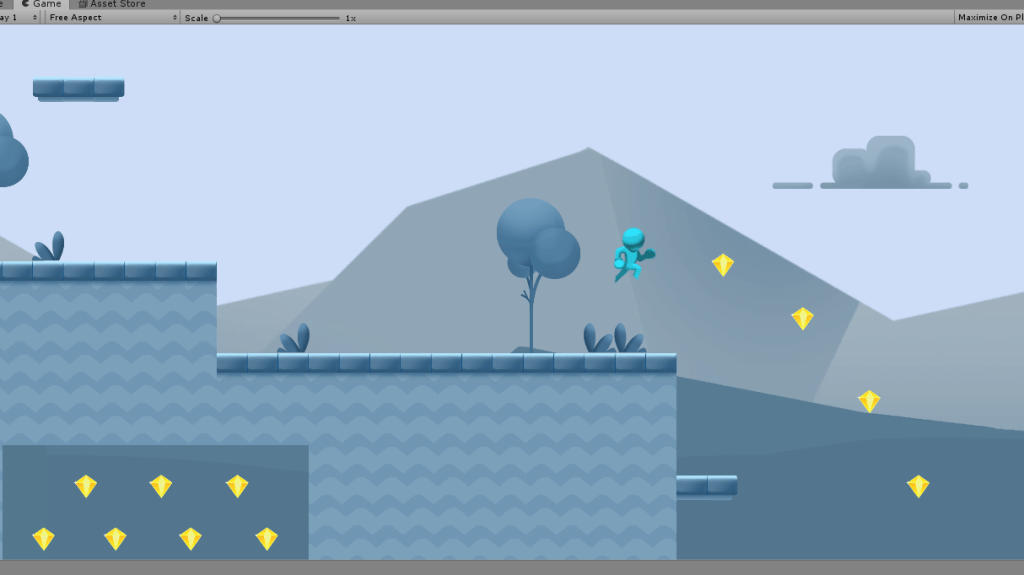
During week one, I was mainly deciding on whether my game should be 3D or 2D based. This had a lot to do with the future devvelopment, concept and idea on its own. Therefore I was mainly searching into vast kinds of information forums and youtube videos based on this matter. Mainly looking into what kind of development I will be working with for a long period of time, progress that will be made and background knowledge on game development.

Week 2:
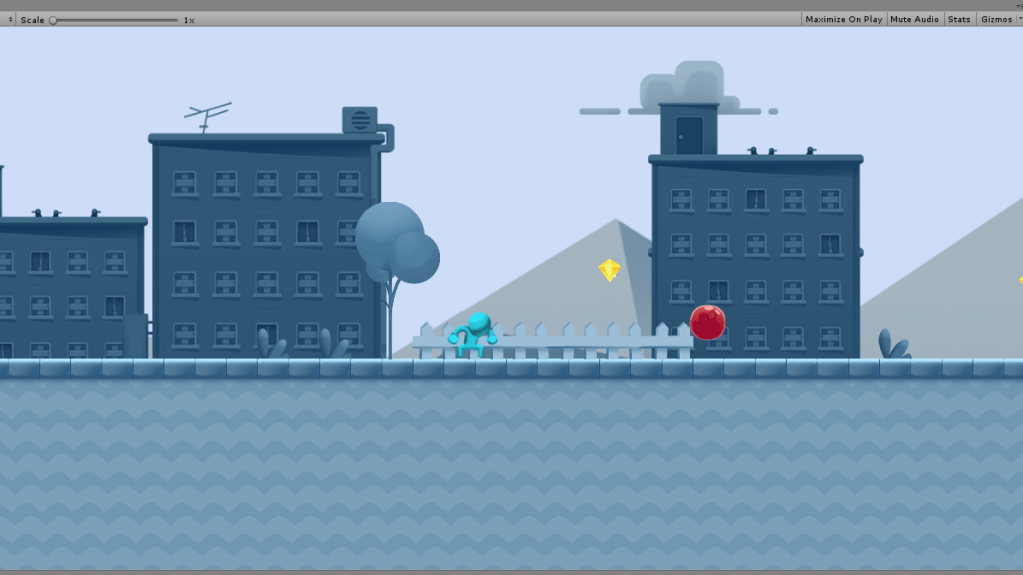
Role of AI and decision upon what AI should I implement based on the theme of the game and overall player progression. I have decided to go with 2D game because of my passion and interest in developing specifically 2D platforming game. Therefore I had to decide upon what the idea behind was and how the enemy AI should behave, look and function. Messed around with a scene, items and overall design which was slowly leading me towards the final image of how I would like everything to look and feel like.

Week 3:
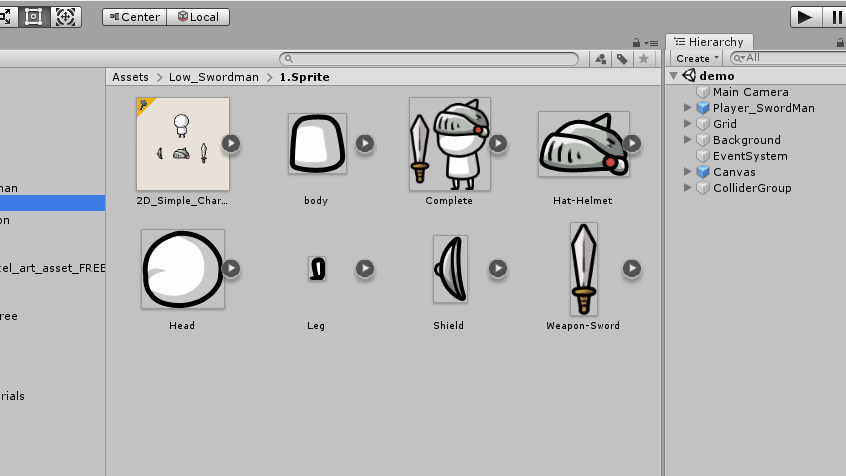
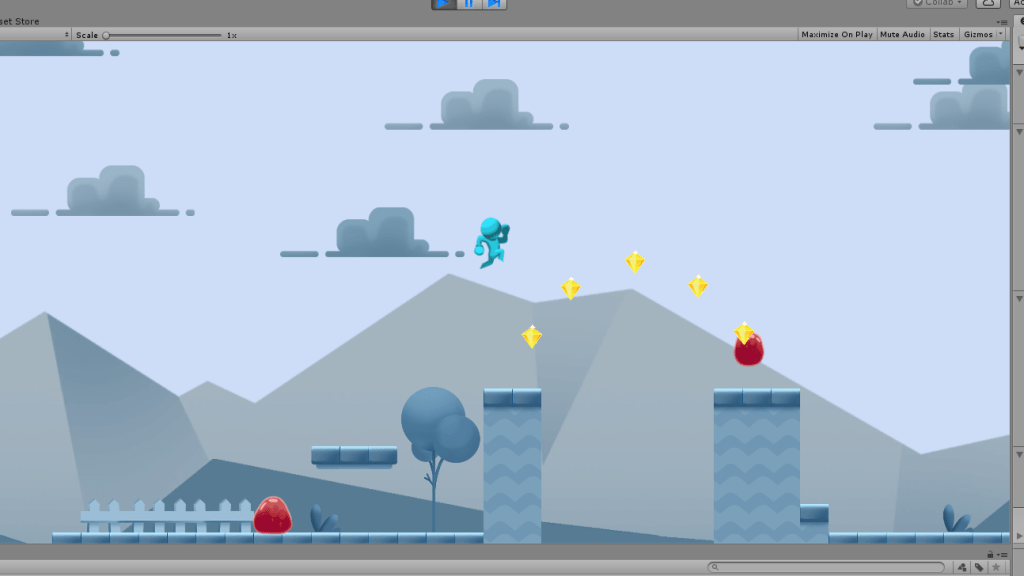
Created an environment. Used Unity assets store for this. Tried from cosmic wallpaper and some tiles, as well as a simple “forest” with trees on the background and some wooden blocks to jump upon. Still am not sure of the concept but thought of Hide and seek example where 1 enemy chases the main character. Researched on reactive agents and steering behaviour in order to understand and further implement them.

Week 4:
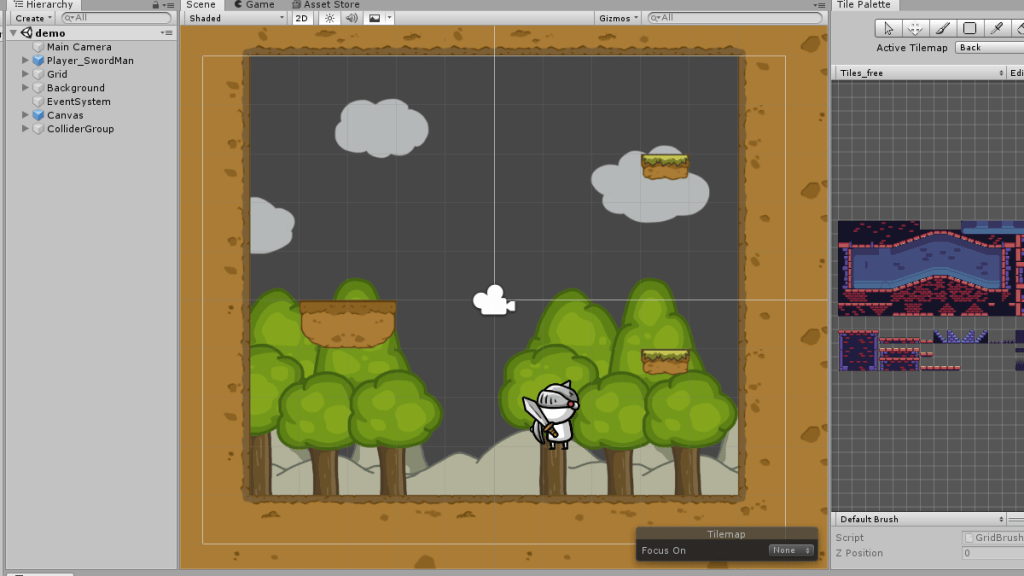
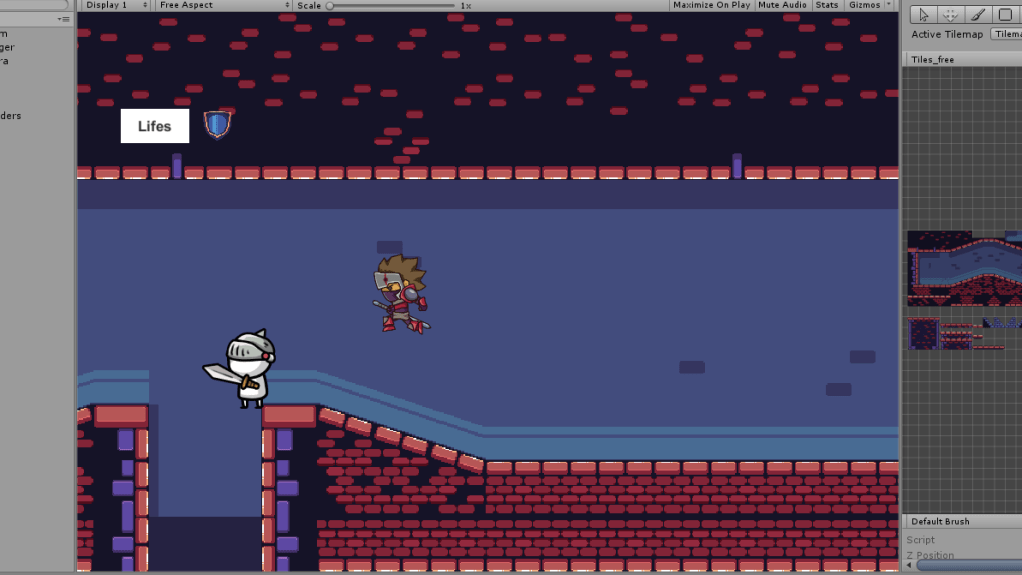
Furthermore Created an in game environment, manipulated with some unity assets and dived into courses on youtube about character creation. Created a base model of red goo, did not like it. Searched for a bunch of character assets. Found some knights and medieval pack which I enjoyed manipulating and investigating how to use and move these characters. They looked more like an enemy archetypes even though some could be used as a main character. Worked with some collision items and effects such as bows and arrows, fireballs, damage counters, health, and overall look of everything.

Week 5:
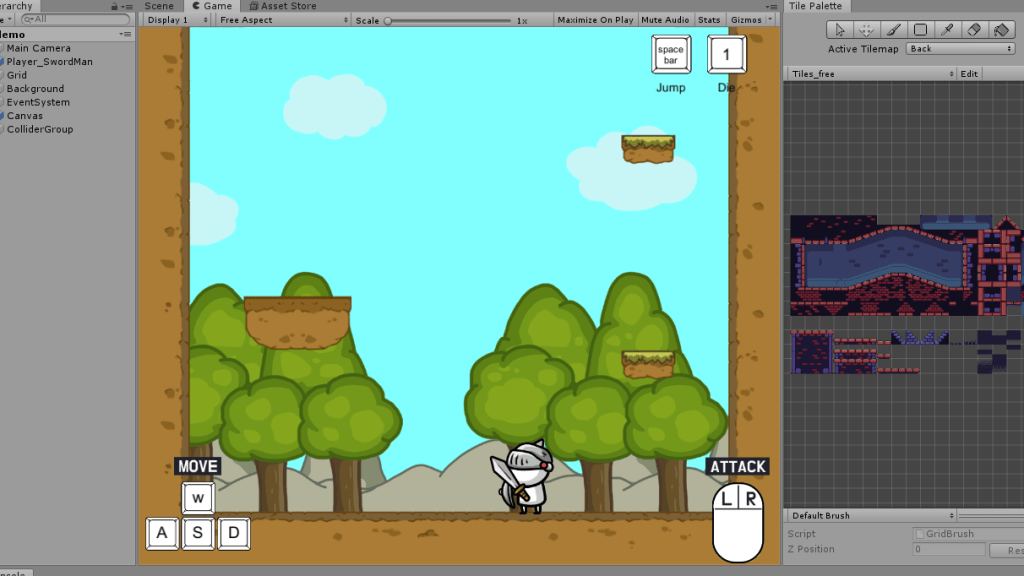
Creating and messing around with character. Sample movements, animation, “fighting” styles to make character look more realistic and cooler. Created a file called “player controller” through which I manipulated with a bunch of new ideas and movements in order to fully understand what I can and want to do with my character. Also important point to mention I have messed around 20 characters before I found a suitable one for game in both style and feel.

Week 6:
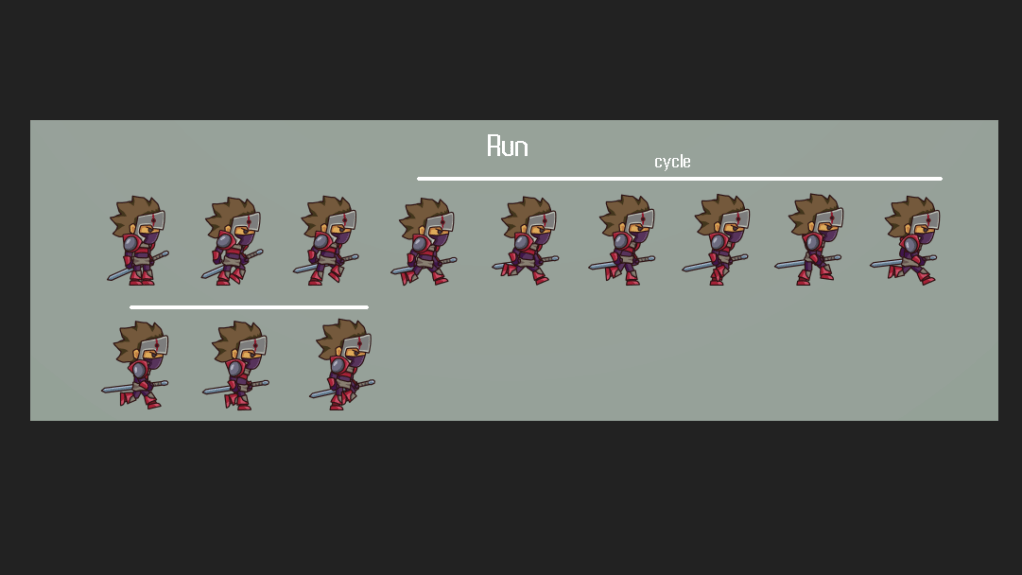
Enemy generation. Simply coming up with an enemy model and planning what it will do and how it will interact with a player. There were multiple ideas such as chasers, runners, hide-and-seek. Also a map and tiles were important to take into account with how enemy will interact in it’s movement and towards main character correspondence to the game world. Overall I came up with a simple enemy that has a chase mechanism within a certain radius as well as later I decided to add a runner that changed the idea of the game completely, but I am very satisfied with it in the end. 🙂

Week 7:
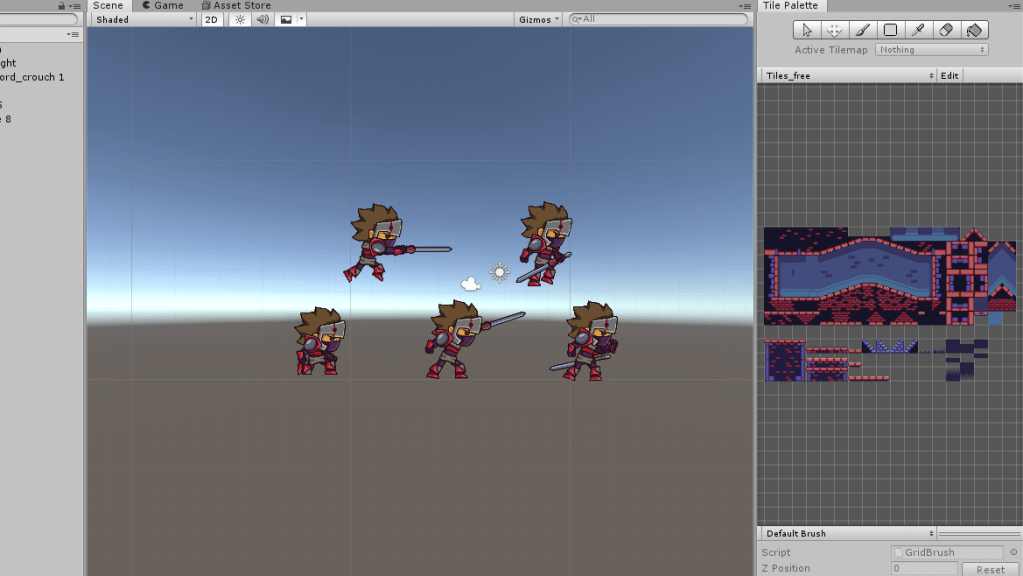
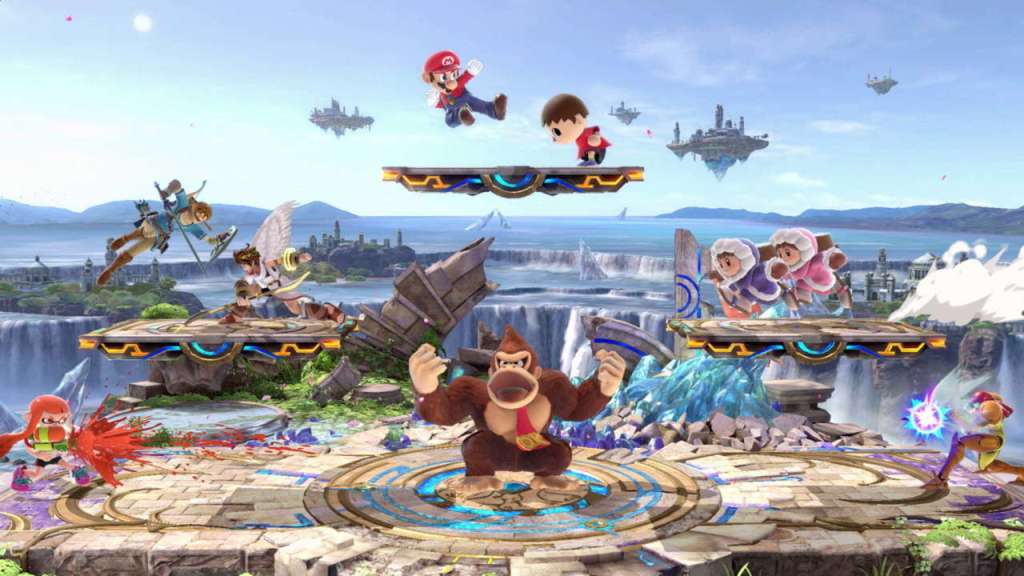
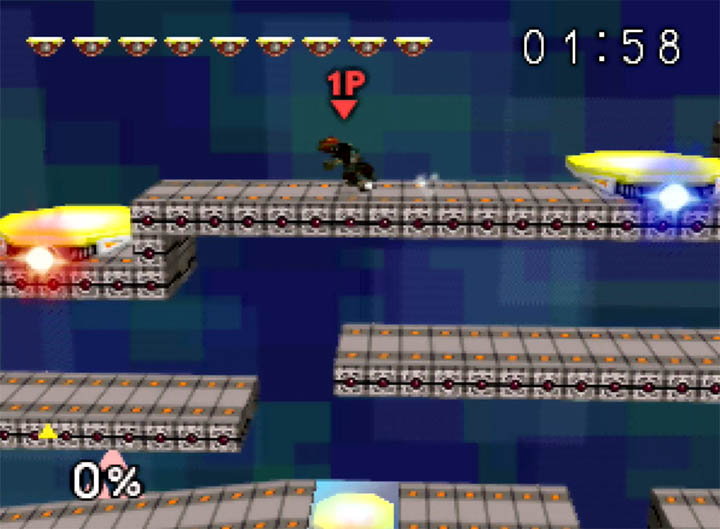
Enemy controller. Enemy is an important part of the game as well as AI that is going to work for the correspondence of such an enemy in the game so I was thinking a lot about the techniques to use towards the game. An important games that contributed towards this part were Super Smash Bros as it is also a platformed game as well as a fighting one, therefore it had a brilliant AI where in the “controller” regime, you can set AI to do a specific task or choose a difficulty to fight with. Of course I could not achieve such a vast AI in my game, therefore I thought of something that could correspond equally, like simple Mario game.

Week 8:
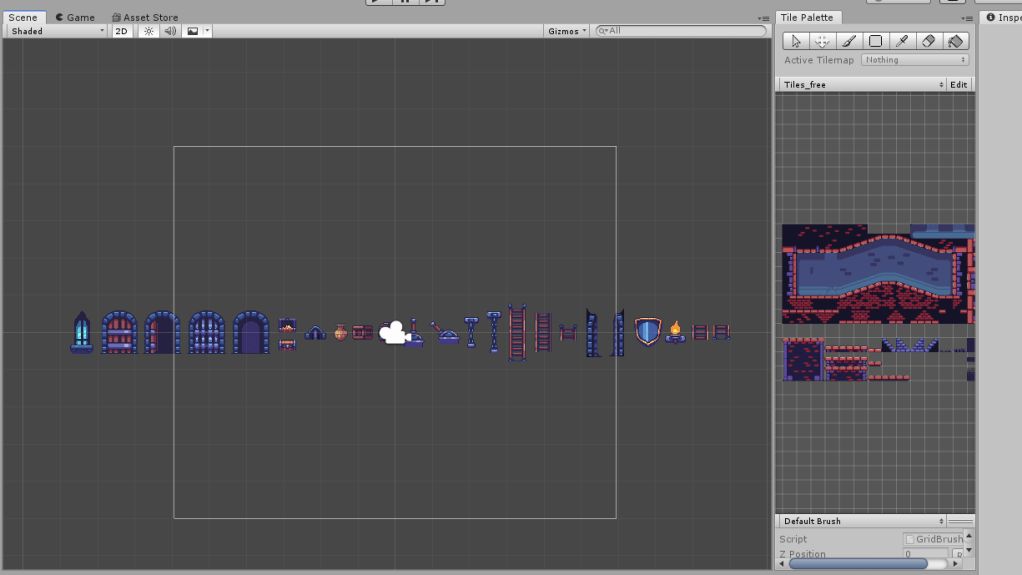
Adjusting game to the final archetype. As I was fairly confident with what game was about to look and play like, I was making sure that all “pieces” were in their place and those parts especially the programming bits that were not yet in place, will be fine during the future instalment. An important point to mention: somewhere during the middle of the work, camera and controls were not working together so a lot of time and effort was placed into learning and correcting that. Animation was taking a lot of time and decision upon which movement should be implemented and which should “just be there”.

Week 9:
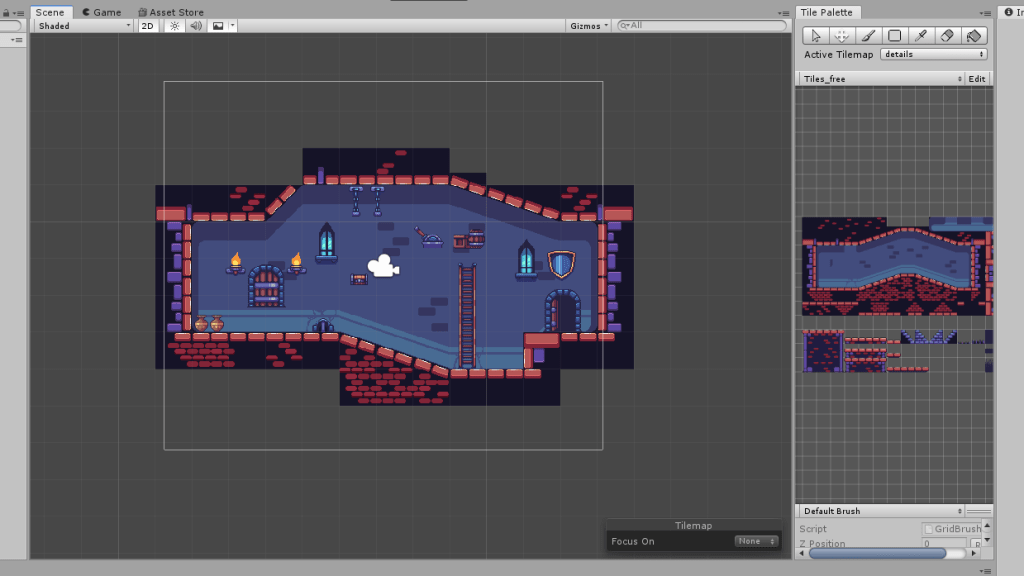
Game Manager polish. As game manager had a lot going on such as re-spawning, health management, jumping, collision, procedural animation both in jumping and attacking and etc. It had a lot to do with the game so adding some new features and making sure that the old ones were working was also an important part during this weeks working process. Project seems to work fine, even though there are a lot of thing that require my attention such as health “pop-up”. Whether it should be above players character or simply “above”. In the end decided that it is hard to see the value and search for it as character moves and jumps too quickly and this can become irritating and tiresome for the eyes.

Week 10:

Camera control was also an important part so during the final week I was polishing everything and making sure that camera was “feeling right” as player does not want to see an empty space while character is walking somewhere around where you can not see him. A lot more and a final thought on the project and process can be found on “Analysis and reference page”, which contains main information as these are just a short reviews upon what has been done during the week and they do not represent the final project.
Analysis and References

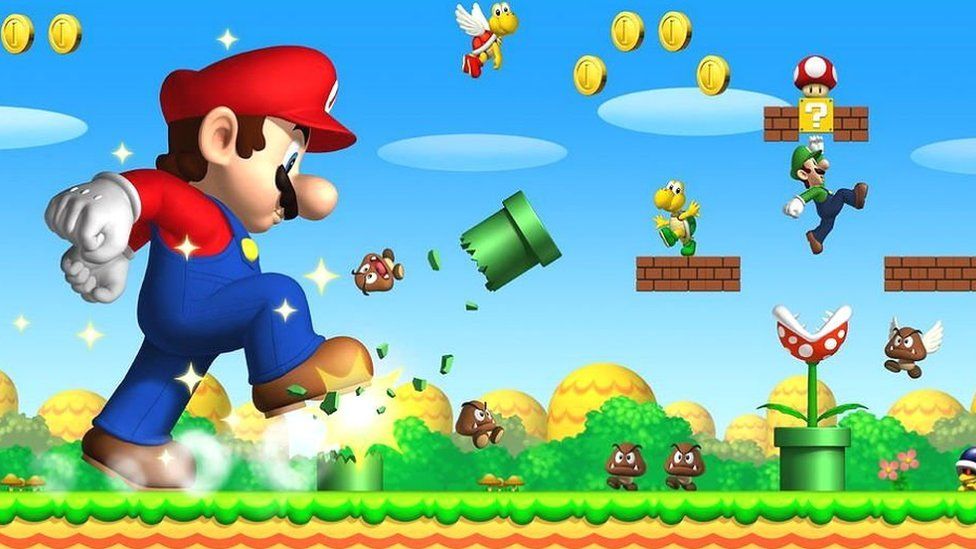
Idea for this game were popular 2D project such as Donkey Kong, Super Smash Bros, Mario and etc. I personally am very fond of 2D games and think that they are still an important part of gaming industry even though I thought of complete opposite a few years back. Such games are always filled in with passion of their creators and can sometimes be as vast and vivid of both storytelling and game play as modern popular 3D games with open worlds. I was struggling with decision of which way to go before starting on this project and am very pleased with where I am and skills that I have acquired in the process of working.

To explain thing simpler, first I wanted this game to be as a hide and seek but it is hard to create such n environment for 2D game, as it is more compatible and fun to play in 3D games such as modern “horror” based hide-and-seek genres. A few examples of these games are “Hello Neighbour” and “Dead by Daylight”. Therefore I have decided to go with the simple seek mechanism that determines the shortest route towards the main character and enemy simply head in “for a strike”. As an enemy AI, I have researched into multiple popular 2D games and there were decisions to make such as you don’t want an enemy that goes in to strike you as soon as you re-spawn, as well as you don’t want an enemy just walking left and right like in popular “Mario” game with turtles and mushrooms as it in not making the game as fun and active as you would hope it to be. In addition to that, player can learn and time the movement and respond accordingly. Also enemy AI would be very simple in this case which is definitely not my way to go for this game. Therefore I have decided to implement a seek in a certain radius mechanism that is also smart as enemy responds and “chase” after player whether you are left, right or even above an enemy! In latter case, enemy will try and jump to reach and strike player.

As the game progression was fairly moving, I have thought of another mechanism that is completely opposite from the first enemy but would still fit the format of my game. In this case the second enemy would “flee” from the character as soon as you are in the same radius. Which led me to a complete new concept of the game: 1-st enemy defends the 2-nd one. As player progresses through the level, the final goal is to chase 2-nd enemy off the map.

Downsides: There are a few points to mention as the game is sort of in the development still and has a lot of room to expand and become a fully made game. For example the models of both enemies. They are exactly the same but with a different mechanism. This could prove as a benefit or a flaw in 2 ways. First variety, which is definitely lacking and can become boring. But in the other case, if a level was more dense and sort of vertical or even horizontal but far longer than mine. In this case I could have implemented the same types of enemies but with different functions. As main character has only 3 hearts, his goal is to chase bad enemies off the map and not to perish in the process as any contact with enemies means that he has been hit once. Therefore game could become sort of “search for runners” but be careful as there are chasers which are looking exactly the same! Game has still a lot of room to expand and evolve therefore it is not considered as a final product even though where it is at the moment could be considered as a “demo” and a fun way to test before the real thing.

Unity 2D Camera settings and how to use: https://www.youtube.com/watch?v=2jTY11Am0Ig

Animation and animating (fights, standing breathing animation, jumping and movement): https://www.youtube.com/watch?v=hkaysu1Z-N8

2D Movement in Unity platform: https://www.youtube.com/watch?v=dwcT-Dch0bA&t=151s

2D game tutorial: https://www.youtube.com/watch?v=on9nwbZngyw&list=PLPV2KyIb3jR6TFcFuzI2bB7TMNIIBpKMQ&index=1

New AI Technology

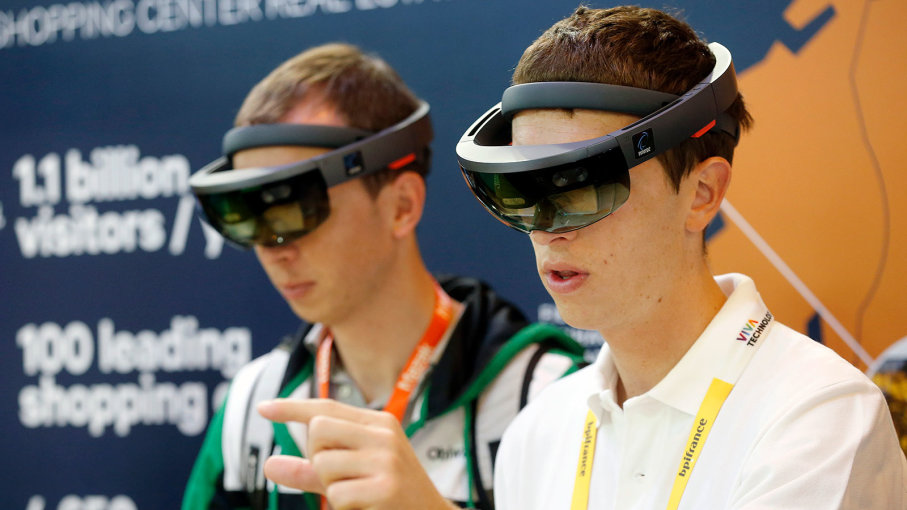
Augmented reality (AR) is an interactive experience of a real-world environment where the objects that reside in the real world are enhanced by computer-generated perceptual information, sometimes across multiple sensory modalities, including visual, auditory, haptic, somatosensory and olfactory.

Reference: https://en.wikipedia.org/wiki/Augmented_reality

Today with the modern technologies, games or any other software is evolving and becoming more complex day by day. Researches are being made into all kinds of novelties such as Motion Control, Virtual Reality, Augmented Reality, Deep Learning, Self-Driving Cars and etc. These all for sure sound serious and innovative but how exactly is it going to affect our everyday life?

Taking into the account gaming industry for instance there are already a lot of games in Virtual Reality which in my opinion is the future of games as people today are becoming bored of customary storytelling and gameplay that is not changing or if so, then very slowly. Therefore, large corporations have of course seen this opportunity and let’s be honest on this one, who wouldn’t want to swing a sword himself to defeat some knight rather than having to press a button and order your character to do so.

Augmented Reality is a bit “easier” to explain in terms of complexity and far lighter to develop in both gaming and other industries. Like for instance in Virtual Reality you as a developer have to develop a whole new world that user is going to interact with as well as user can simply get tired of utilising such a wonderful mechanism simply by being a simple human where your eyes are tired already by looking onto the monitor, not even a special glasses that are attached to your head, as well as brain processing another virtual dimension where you have to do something.

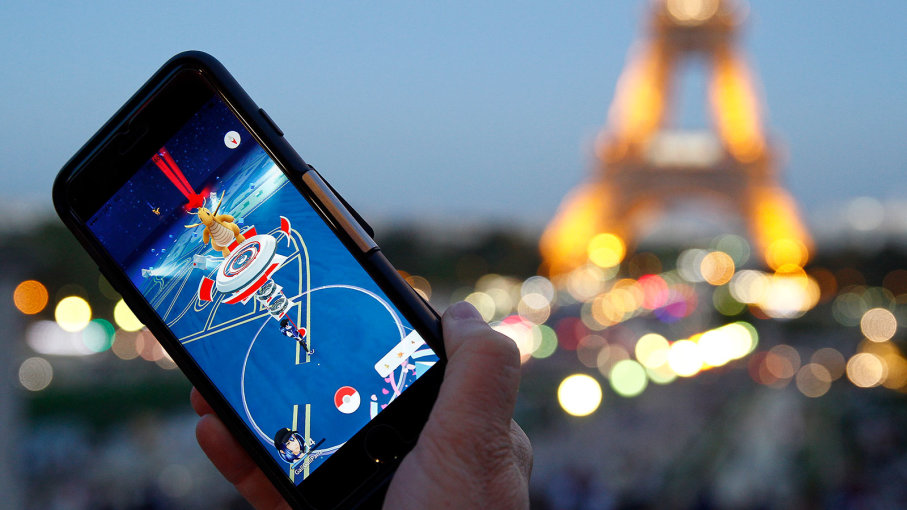
Which of course brings us to the Augmented world where the world around us is being kept as it is, but with a few adjustments such as “adding” some virtual (non-real) elements like creatures, items, characters or anything that you can’t interact with but certainly can see and operate with through your device. A popular example on this one is a famous game called “Pokemon:GO!” which basically, is an app for your phone that gets you into augmented world (our world) with a bunch of Pokémon’s (pocket monsters) that you can catch and interact with. Simply speaking, you have to use your phone and use it as a lens that connects you to this world, look around and catch these creatures. Sounds easy and is definitely fun! Of course it may not be as cool and breathtaking as having yourself pulled into a virtual reality where you by yourself have to do something, but believe me, you will be carried away in an instant as you start to play. I am not mentioning the vast majority of features that are in this game and this is just a game. Enemies, pokemons, even the world around you is an AI, that determines how to respond according to user actions. Such as when you would like to catch a pokemon, it will attack you, jump or move around in order to not get caught. Enemies will use shields to defend themselves when they sense a powerful strike coming from you and so on.

This is just a gaming aspect, you can create any game and AI in Augmented Reality and make them respond to player actions just as in a normal game, but in a different reality that player is being connected through their smartphone or any other mechanism that supports such feature. What if we take into the account a complete new level of such a wonderful real-world experience? What if a communication can become augmented so that you will not simple talk to you friend or family member through a normal video call, but your body or simpler upper body will be 3D transferred to the Augmented Reality where the communicating experience can become even more realistic. Even by using the same logic we can create a 3D model of your house helper. Like your home helper “Alisa” or Google’s, or Samsung’s Bixby. What if these AI’s can become Real Through Augmented Reality which will make your interaction with them more human, and therefore more comforting or easier, as even now people are stills struggling using it or because of its “unnatural feel”, they simply stop using it after some period of time, but with this feature it can become more efficient.

By speaking solely on AI based topic and even adding gaming industry, there are a lot of ideas that people can come up with, such as a simple game of hide and seek can be made by you using your phone and searching for Augmented Reality players or AI characters that are hidden around you house or back yard. This simple game is still utilising both of these features but in a lot more fun way, so that our old game can become much more entertaining!

Augmented reality is the blending of interactive digital elements – like dazzling visual overlays, buzzy haptic feedback, or other sensory projections – into our real-world environments.

Google SkyMap is another well-known AR app. It overlays information about constellations, planets and more as you point the camera of your smartphone or tablet toward the heavens. Wikitude is an app that looks up information about a landmark or object by your simply pointing at it using your smartphone’s camera. Need help visualizing new furniture in your living room? The IKEA Place app will provide an overlay of a new couch for that space before you buy it so that you can make sure it fits.

But AR is more than just smartphone fun. It’s a technology that finds uses in more serious matters, from business to warfare to medicine.

The U.S. Army, for example, uses AR tools to create digitally enhanced training missions for soldiers. It’s become such a prevalent concept that the army’s given one program an official name, Synthetic Training Environment, or STE. Wearable AR glasses and headsets may well help futuristic armies process data overload at incredible speeds, helping commanders make better battlefield decisions on the fly. There are fascinating business benefits, too. The Gatwick passenger app, for example helps travelers navigate the insanity of a packed airport using its AR app.

The possibilities of AR tech are limitless. The only uncertainty is how smoothly, and quickly, developers will integrate these capabilities into devices that we’ll use on a daily basis.

Reference: https://computer.howstuffworks.com/augmented-reality.htm

Design a site like this with WordPress.com
Get started